
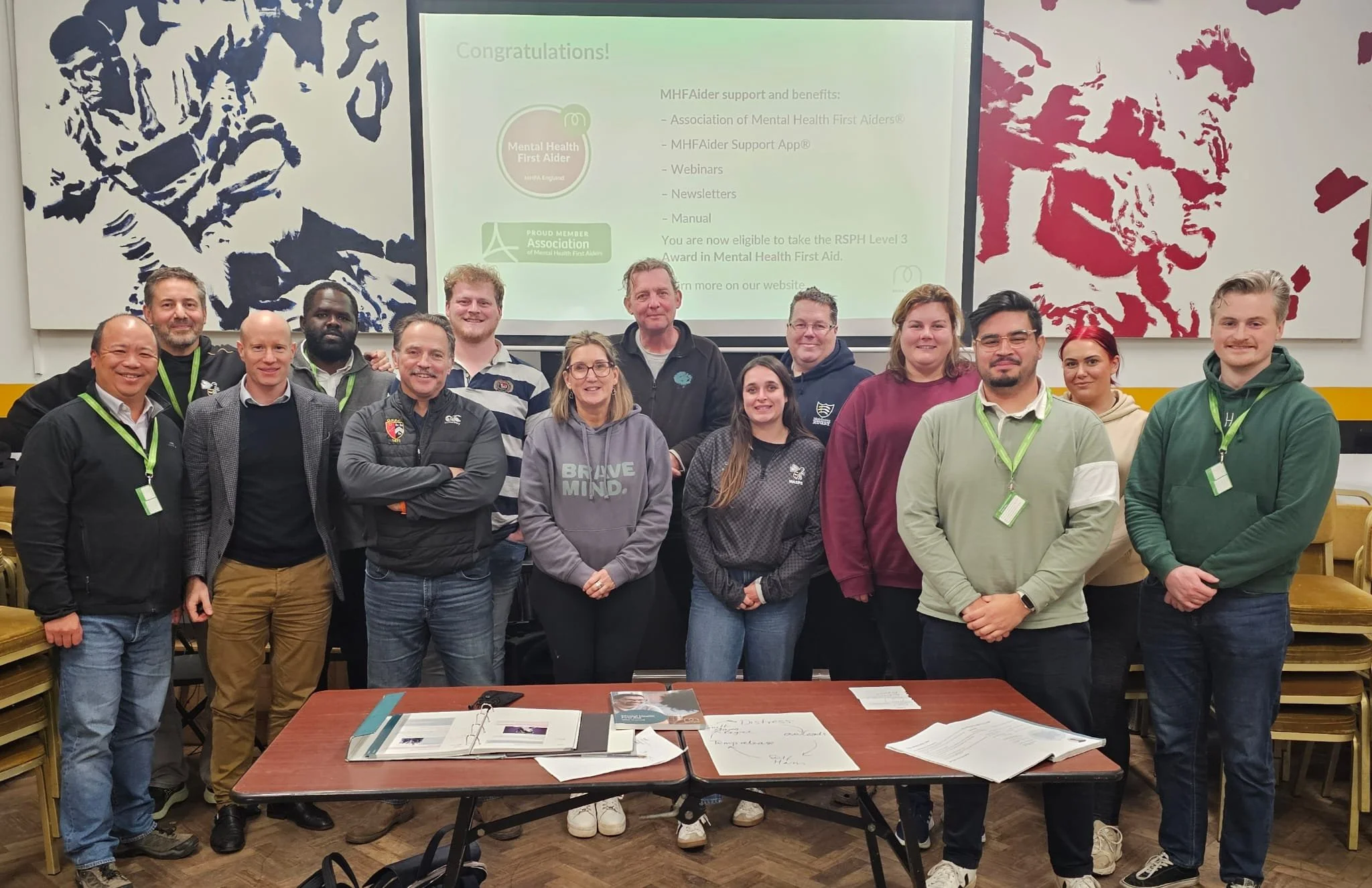
Our Impact.
We step in before things get to crisis point.
By embedding mental health and wellbeing support in sport and education, we give young people the tools and confidence to take care of their mental health early, breaking stigma, building resilience and creating lasting cultural change.
In 2025, Brave Mind delivered 25+ mental health programmes to a total of over 800 young sports people, coaches, and parents.
Our approach to measuring the outcomes we achieve is psychologically robust and evidence based. In 2025, these outcomes included:
20–30% improvement in mental‑health literacy, measured through the Mental Health Literacy Scale (MHLS) — meaning participants left with a clearer understanding of how to recognise distress and where to find support.
15–25% reduction in mental‑health stigma, measured using the Stigma and Self‑Stigma Scales (SASS) — showing increased openness to discussing mental health in team and school environments.
25–35% increase in confidence to seek help, measured using the General Help‑Seeking Questionnaire (GHSQ) — a crucial shift that supports earlier intervention for young people under pressure.
Positive behavioural and attitudinal change, supported by qualitative data including focus groups, participant reflections and case studies — demonstrating lasting impact beyond the session itself.
Our Stories
-
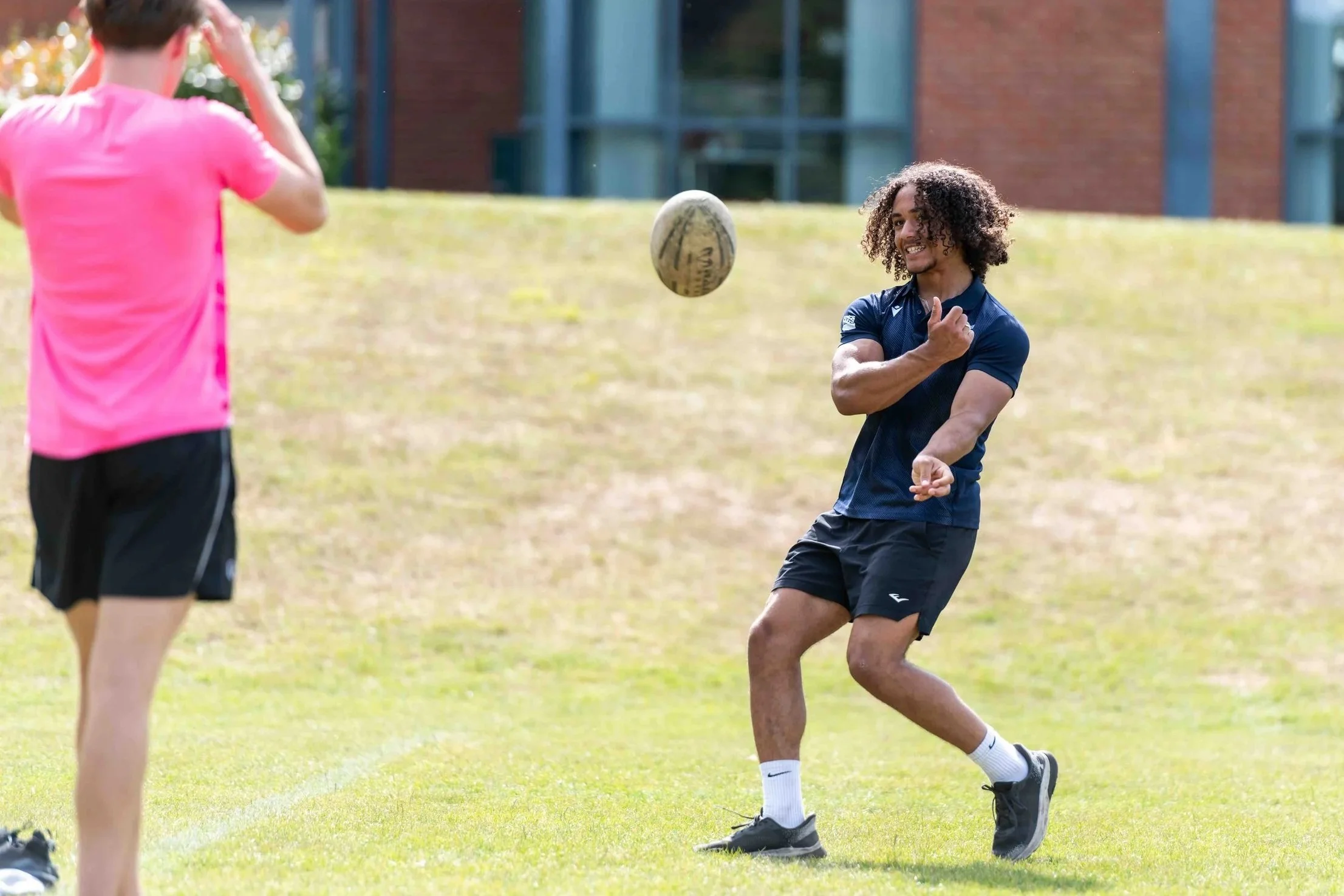
University of Surrey: Supporting Student Sports Participants
Mental health challenges among students, particularly those facing high-performance environments are reaching critical levels. Around 85% of UK students experience exam anxiety, with many finding the pressure unbearable.
-
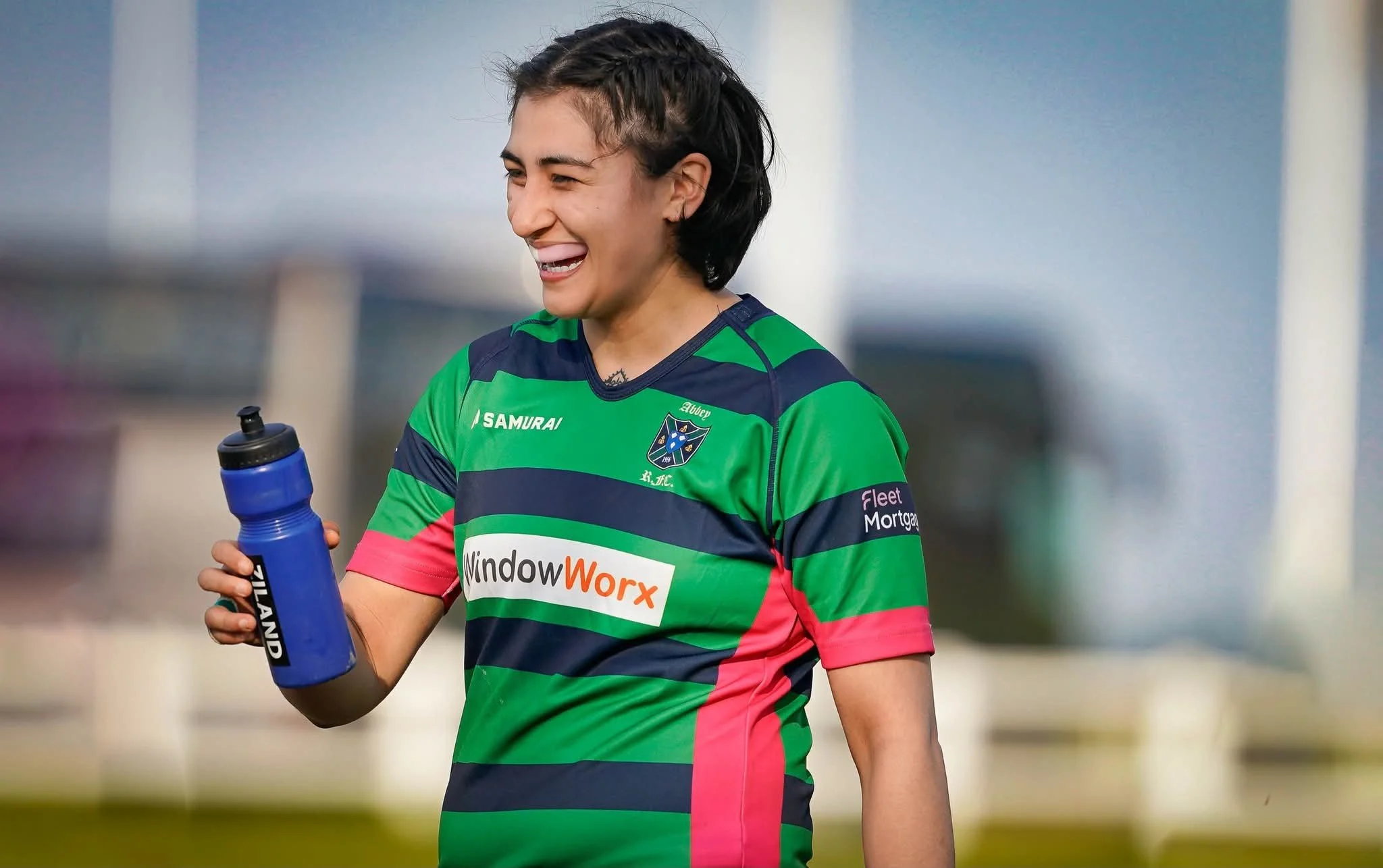
Abi's story: Returning After Injury
Injuries can have a profound impact on an athlete’s mental health, often triggering feelings of sadness, hopelessness, and anxiety, especially when recovery is prolonged. Up to 45% of injured athletes develop depressive symptoms during their rehabilitation, highlighting the emotional toll of being sidelined.
-
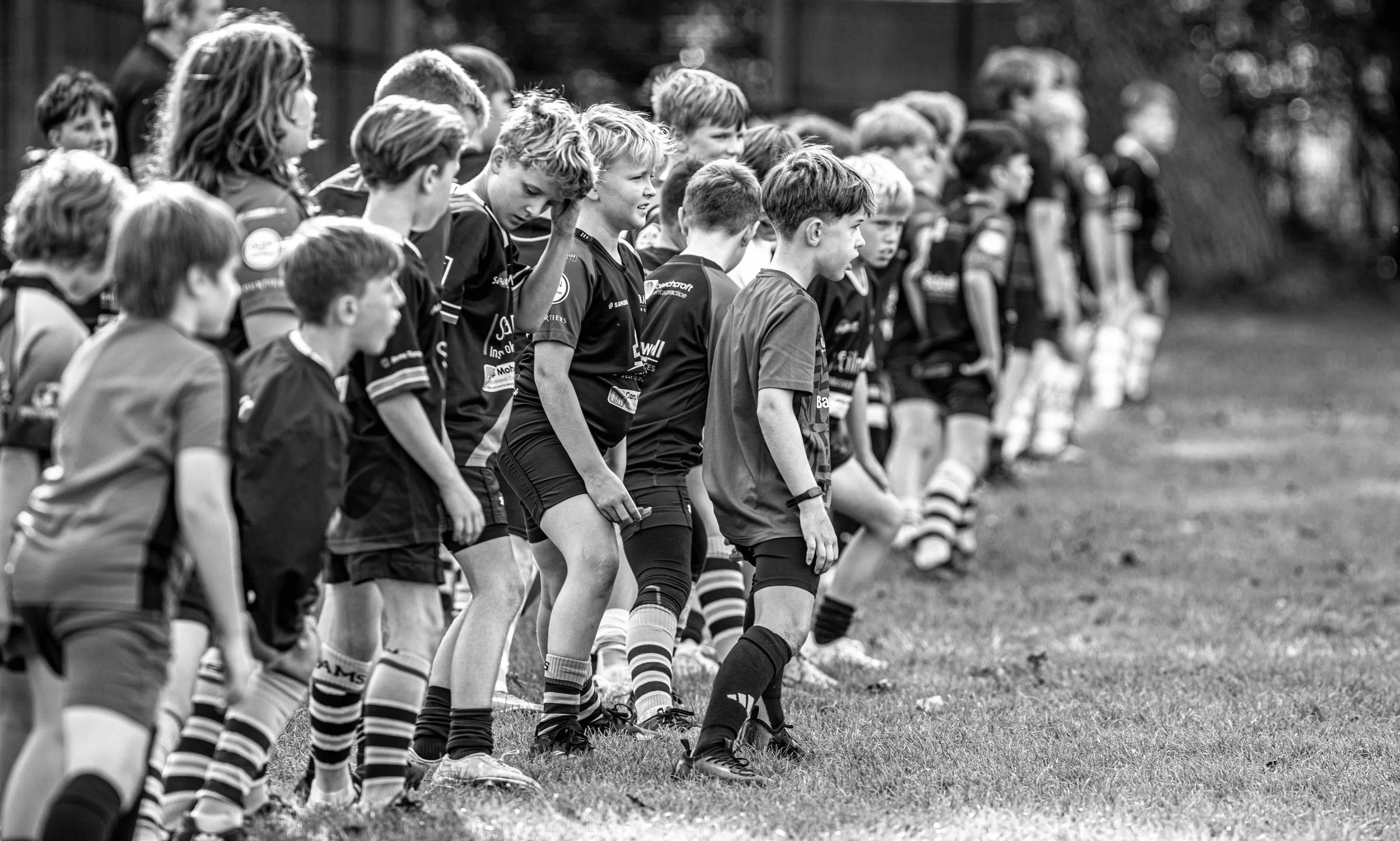
Rams RFC, Berkshire: Building a Supportive Club Culture
Mental health challenges among children and young people are becoming increasingly urgent. Approximately 14.4% of primary school-aged children (5–10 years) are living with a probable mental disorder, and half of all mental health issues begin by the age of 14.
-
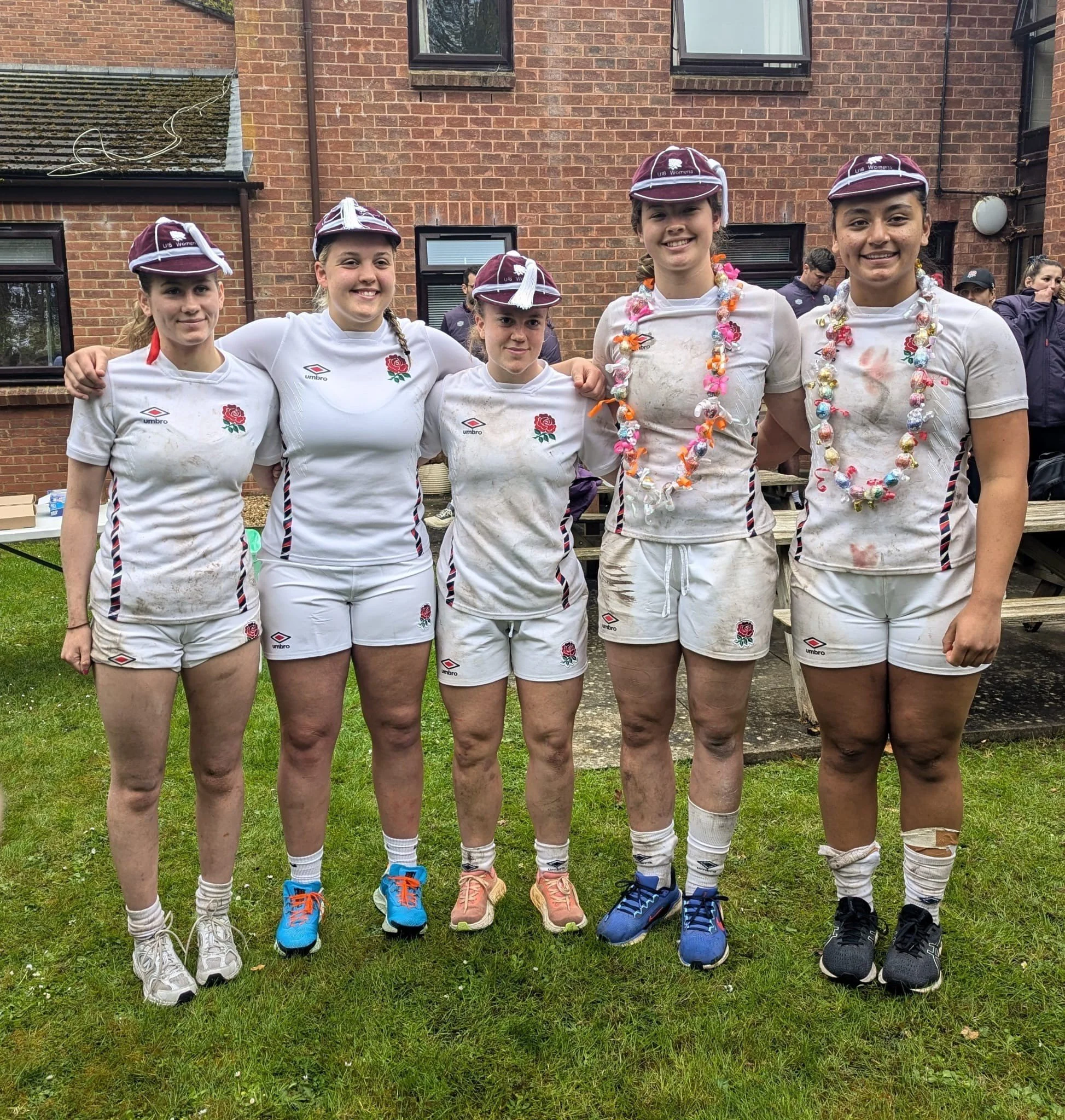
Exeter College: Building Skills On and Off the Pitch
The mental health of young people in education is under increasing strain. 63% of 15–18-year-olds report struggling to cope during and before their GCSEs and A-Levels, with 15% stopping school altogether and 13% experiencing suicidal thoughts.